Building a Better Future: The Power of Sustainable Framing and Carpentry in Your Home
When you envision your dream home or a major renovation, you likely picture the finished space: the beautiful kitchen, the cozy living room, the stunning curb appeal. But the true heart of a lasting, high-quality home lies in its bones—the framing and carpentry that form its structure. In today's world, homeowners in St. Catharines and across Niagara are looking for more than just a well-built house; they want a home that is efficient, healthy, and environmentally responsible. This is where sustainable framing and carpentry come in, transforming not just how we build, but the quality of how we live.
What Makes Framing and Carpentry 'Sustainable'?
Sustainable building goes far beyond simply using wood. It’s a thoughtful approach to material selection and construction methods that prioritizes long-term performance, energy efficiency, and minimal environmental impact. It’s about building smarter, not just harder.
Key elements of sustainable framing include:
- Responsibly Sourced Materials: This is the cornerstone. We prioritize using lumber certified by the Forest Stewardship Council (FSC), which guarantees it comes from forests managed to protect biodiversity, water resources, and the rights of local communities. This ensures the wood we use is a truly renewable resource.
- Engineered Wood Products: Materials like Laminated Veneer Lumber (LVL), I-joists, and Glulam beams are manufactured by bonding wood strands, veneers, or fibers together. These products are often stronger, straighter, and more dimensionally stable than traditional solid lumber. They also make better use of the raw material, utilizing smaller, faster-growing trees and reducing waste.
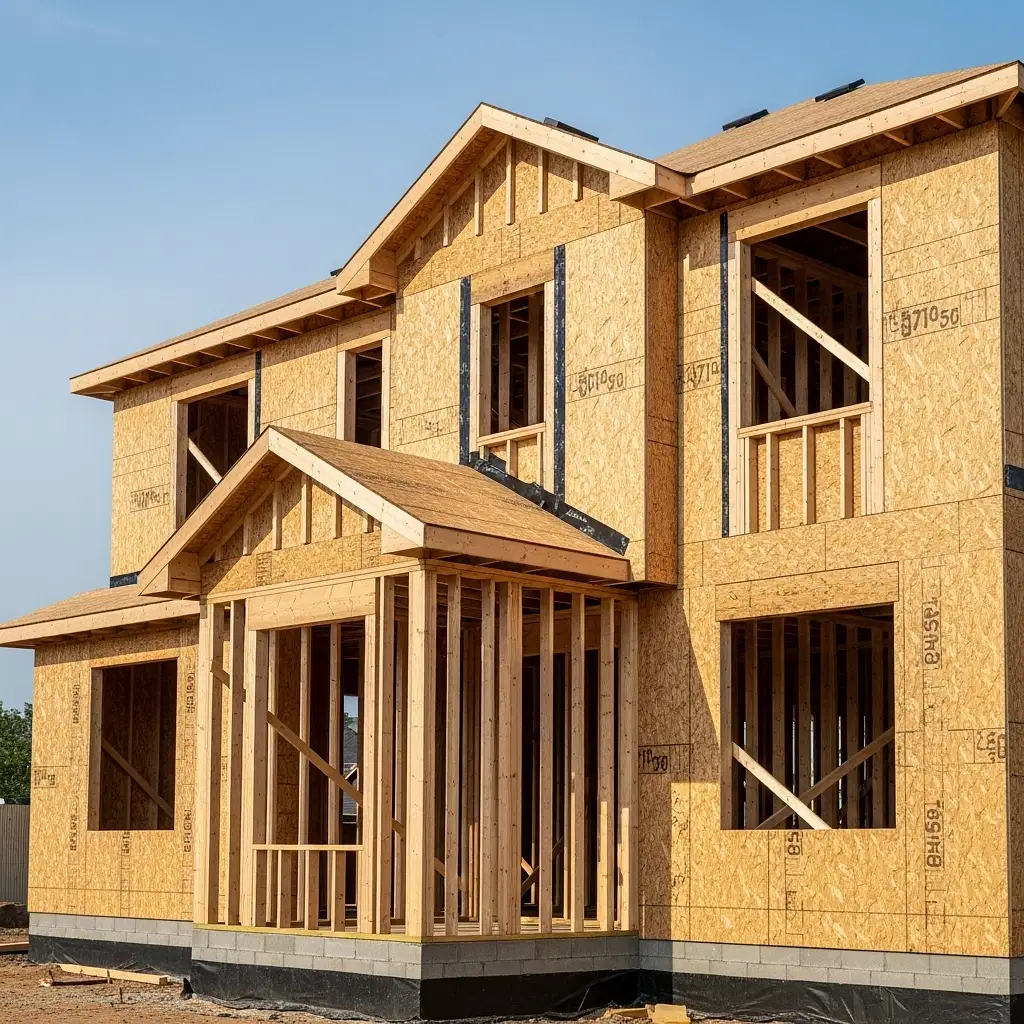
- Advanced Framing Techniques: Also known as Optimum Value Engineering (OVE), this method strategically designs the frame to use less lumber without compromising structural integrity. By optimizing stud spacing and aligning floor, wall, and roof framing, we can reduce material usage and create larger cavities for insulation, significantly boosting your home's energy efficiency.
By focusing on these pillars, we create a home structure that is not only robust but also aligned with modern values of conservation and efficiency.
The Tangible Benefits of a Sustainably Framed Home
Choosing sustainable framing and carpentry isn't just an ethical choice; it's a practical investment in your home's future that pays dividends for years to come. Homeowners who embrace these modern techniques enjoy significant advantages that enhance their comfort, safety, and finances.
1. Superior Energy Efficiency: A sustainably framed home is a tighter, better-insulated home. Advanced framing techniques reduce thermal bridging (areas where heat can easily escape through the wood frame) and allow for more continuous insulation. This means your home stays warmer in the winter and cooler in the summer with less reliance on your HVAC system, leading to lower utility bills every month.
2. Enhanced Durability and Structural Integrity: Engineered wood products are designed to resist the warping, twisting, and shrinking that can occur with traditional lumber. This stability results in straighter walls, flatter floors, and a more solid-feeling home for decades. It’s a commitment to quality workmanship that you can feel underfoot.
3. Healthier Indoor Air Quality: Many conventional building materials can off-gas volatile organic compounds (VOCs), which can impact indoor air quality. Sustainable materials, especially when paired with low-VOC adhesives and finishes, contribute to a healthier living environment for you and your family.
4. Increased Property Value: As awareness of environmental issues and energy costs grows, homes built with sustainable and energy-efficient features are becoming highly sought after. A home with lower running costs and high-quality, durable construction is a significant asset in the real estate market.
It’s Not Just for New Builds: Sustainable Carpentry in Renovations
Sustainable practices are just as important for home renovations as they are for new construction. Whether you're planning a major home addition, a kitchen reno, or finishing your basement, there are numerous opportunities to incorporate these principles.
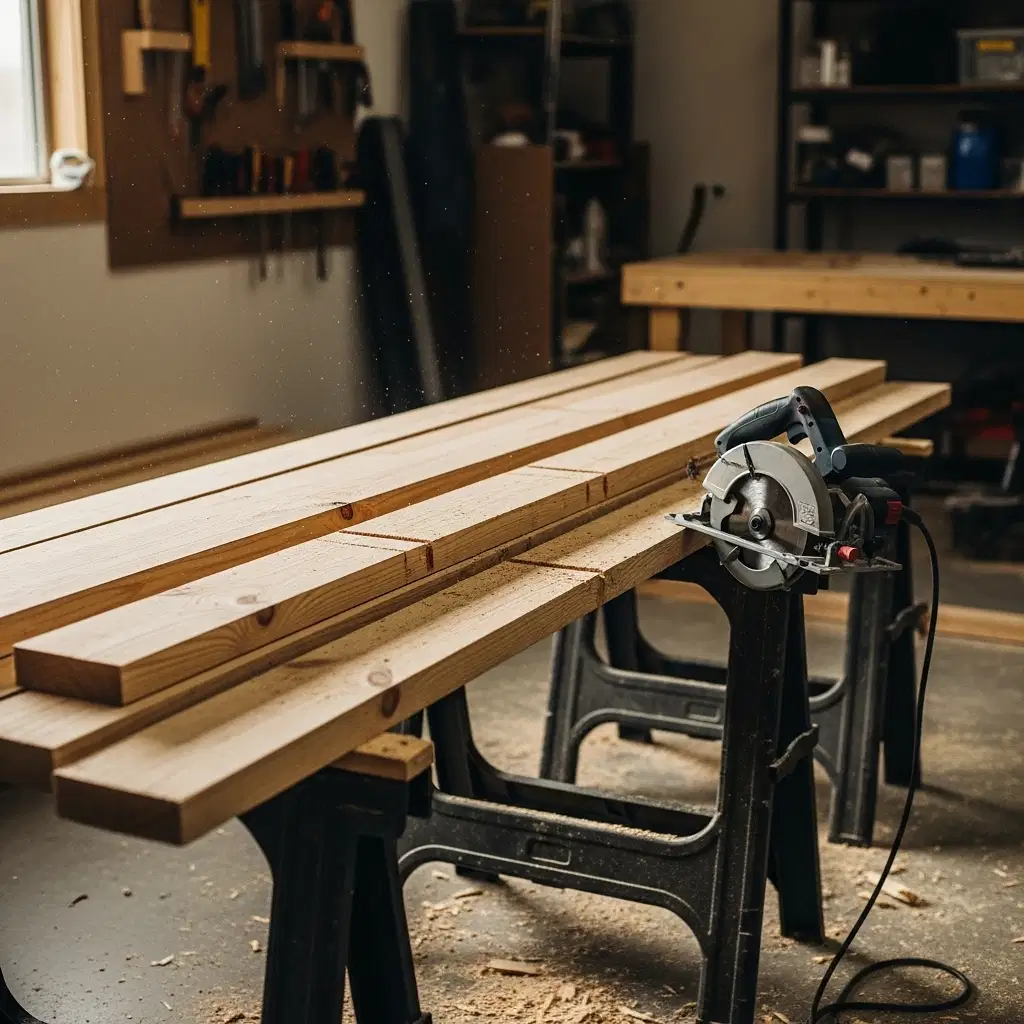
When removing walls or reconfiguring a layout, we can use engineered beams for structural support, ensuring strength and stability. For additions, we can employ advanced framing techniques to ensure the new space is as energy-efficient as possible. Even in finish carpentry, choosing sustainably sourced wood for trim, built-ins, and cabinetry can make a significant impact.
By integrating these methods into your renovation project, you can improve the performance and comfort of your entire home, not just the newly updated areas. It’s a holistic approach that elevates the quality and value of your existing property.
Build a Stronger, Smarter Home with Wave Wood Construction
At Wave Wood Construction, we believe that quality construction and environmental responsibility go hand-in-hand. The strength, efficiency, and health of your home start with its frame, and our commitment to sustainable framing and carpentry ensures you get the best possible foundation for your investment. By embracing modern materials and advanced techniques, we build homes that are not only beautiful but also durable, cost-effective, and kind to our planet.
If you're ready to discuss how we can bring the benefits of sustainable building to your new home or renovation project in the St. Catharines area, we're here to help. Contact us today to learn more about our general construction services and start planning a better home for your future.